100000+
Skilled People
400+
Companies Involved
680+
Orders
100%
European
The European Consortium

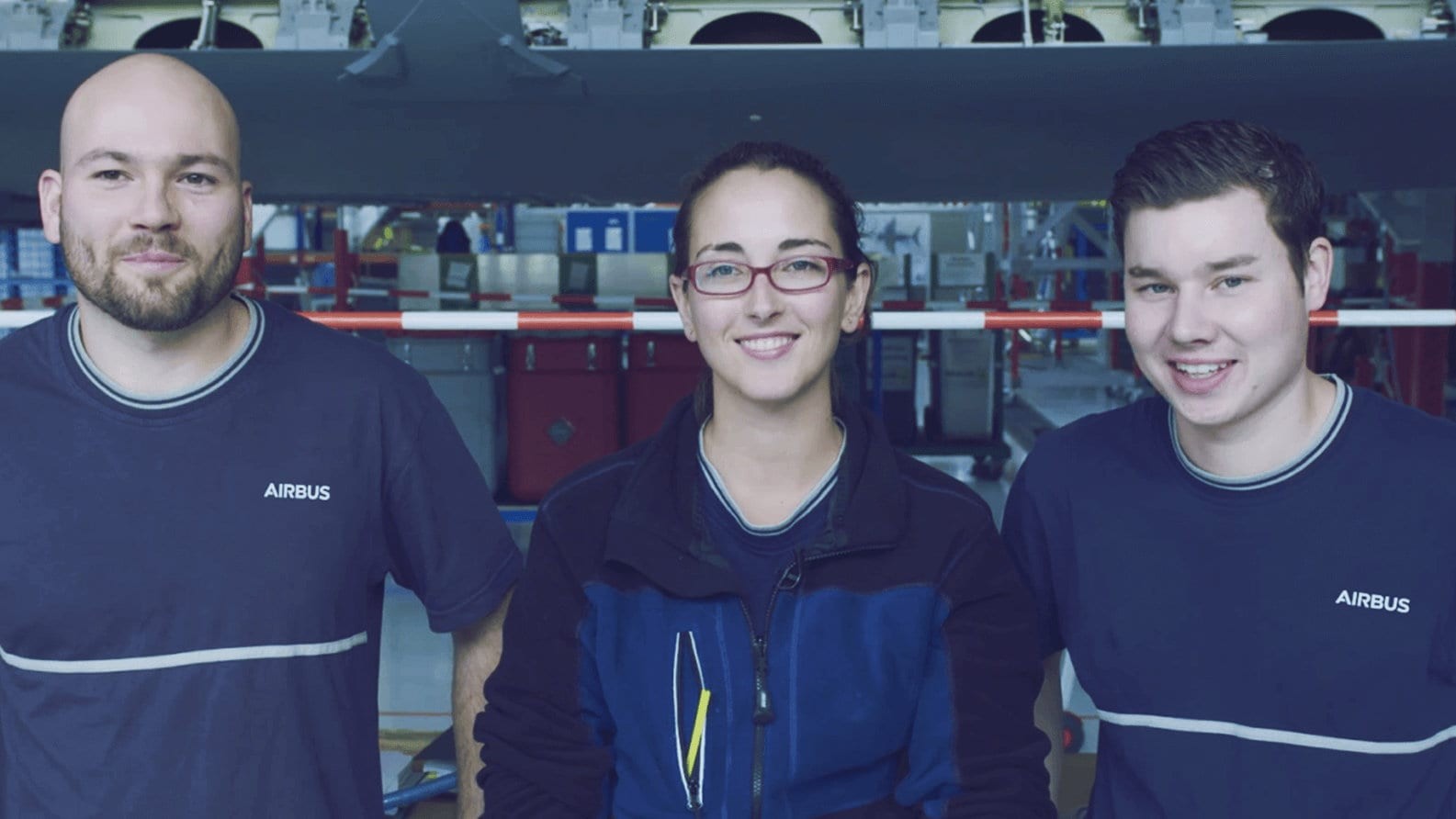
The partner companies in the programme - Airbus, BAE Systems, Leonardo - manage industry suppliers employing more than 100,000 skilled people across the supply chain, enriching the technology capabilities of the whole European region.
Eurofighter Jagdflugzeug GmbH co-ordinates the programme on the industrial side and NETMA (NATO Eurofighter and Tornado Management Agency) acts as the single point of contact for customers and governments.
100000+
Skilled People
Partner Nations

Represented by the partner-companies, the four partner Nations UK, Germany, Spain, and Italy have established a long-term collaboration that provides significant industrial and defence partnership opportunities in Europe.
Eurofighter partners are investing into the future through the access they have to a wide range of technological and programme development opportunities that will take Eurofighter through the exciting phases of its operational life-cycle until 2060 and beyond.
UK Ownership
33%
~ 20,800 Jobs
GE Ownership
33%
~ 25,000 Jobs
SP Ownership
13%
~ 22,000 Jobs
IT Ownership
21%
~ 21,000 Jobs
Partner Companies

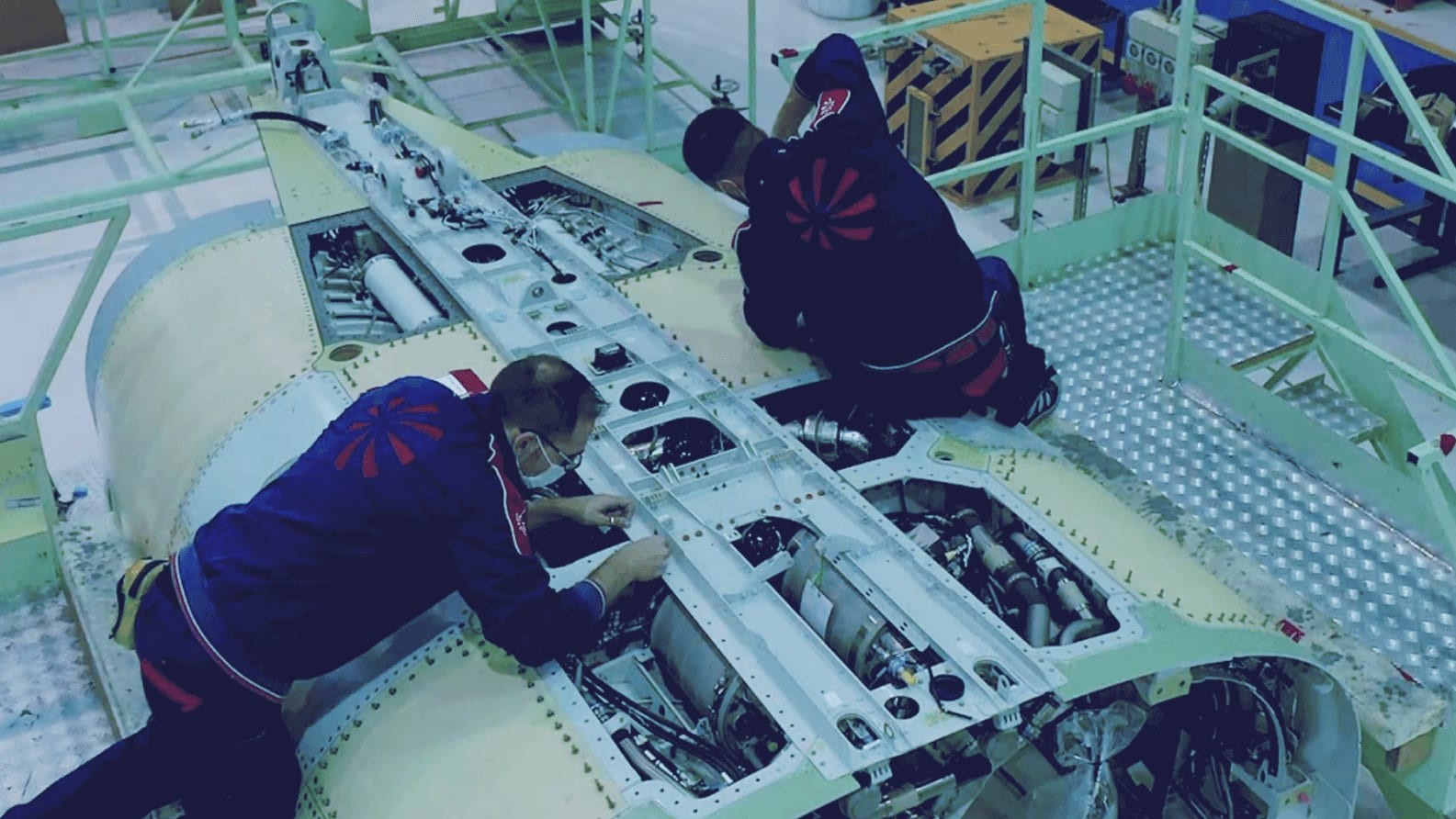
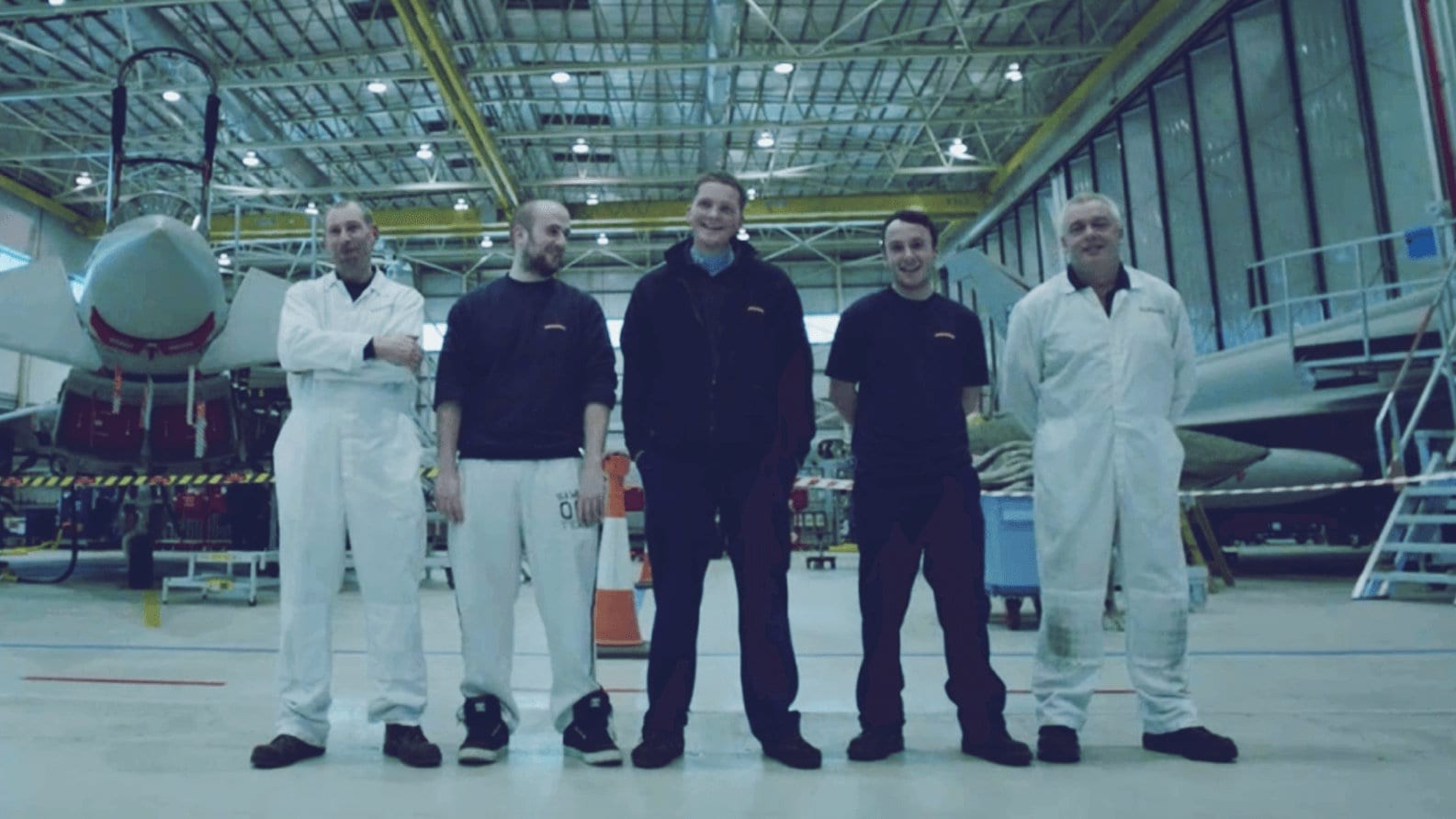
Everyday, over 400 companies across all over Europe work together in trusted partnerships. And everyday, the Eurofighter partner Nations governments build on their successful track record of cost-effective investment in Europe’s future aerospace technologies.
A Unique Network

The supply chain has grown into a unique network, enabling Europe to maintain its current advantage over potential air threats.
This network grows with every capability enhancement of the aircraft.
Eurofighter Typhoon offers the required amount of interoperability to partner with assets from other Nations over multiple, complex domains until 2060 and beyond.
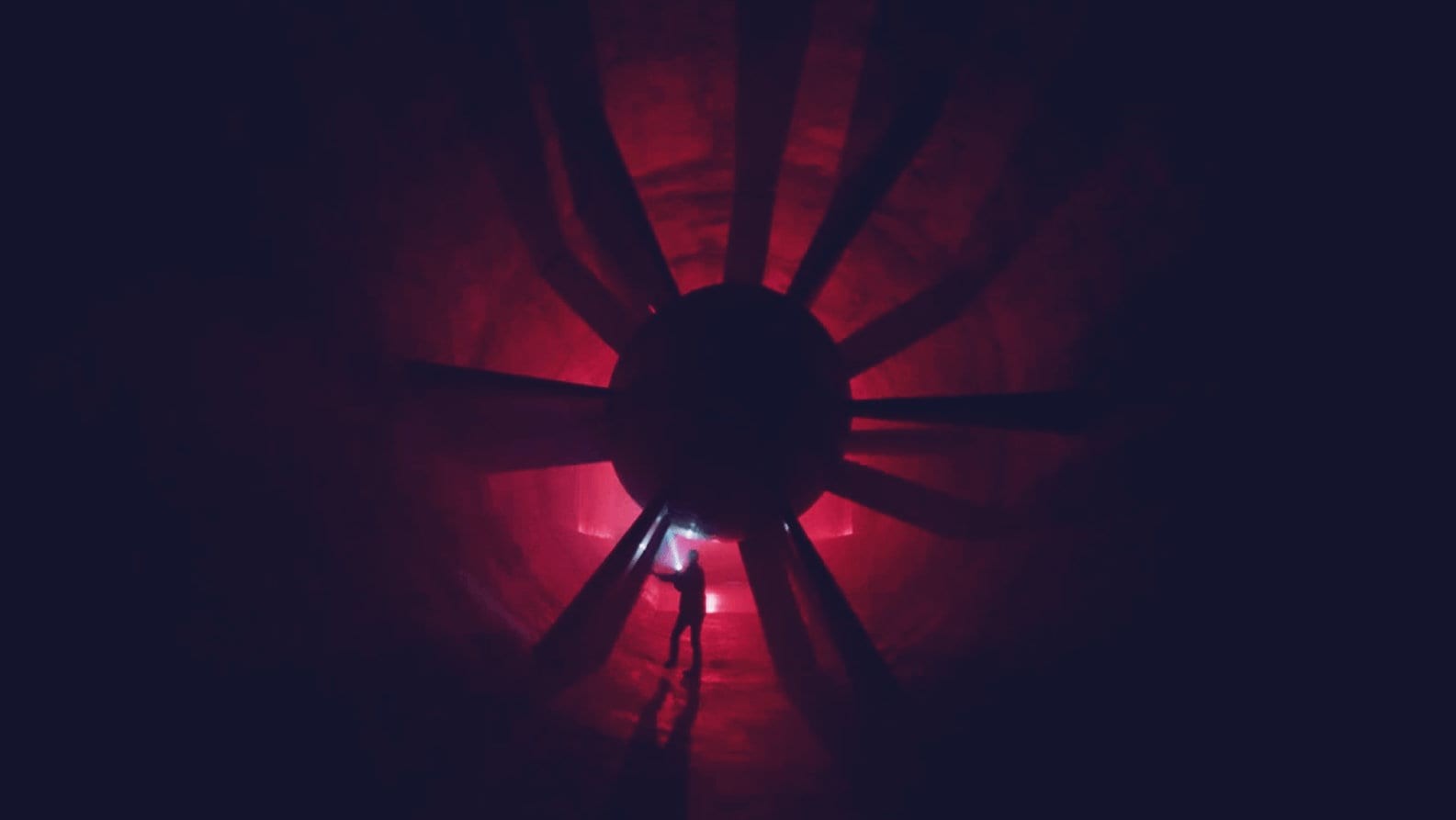
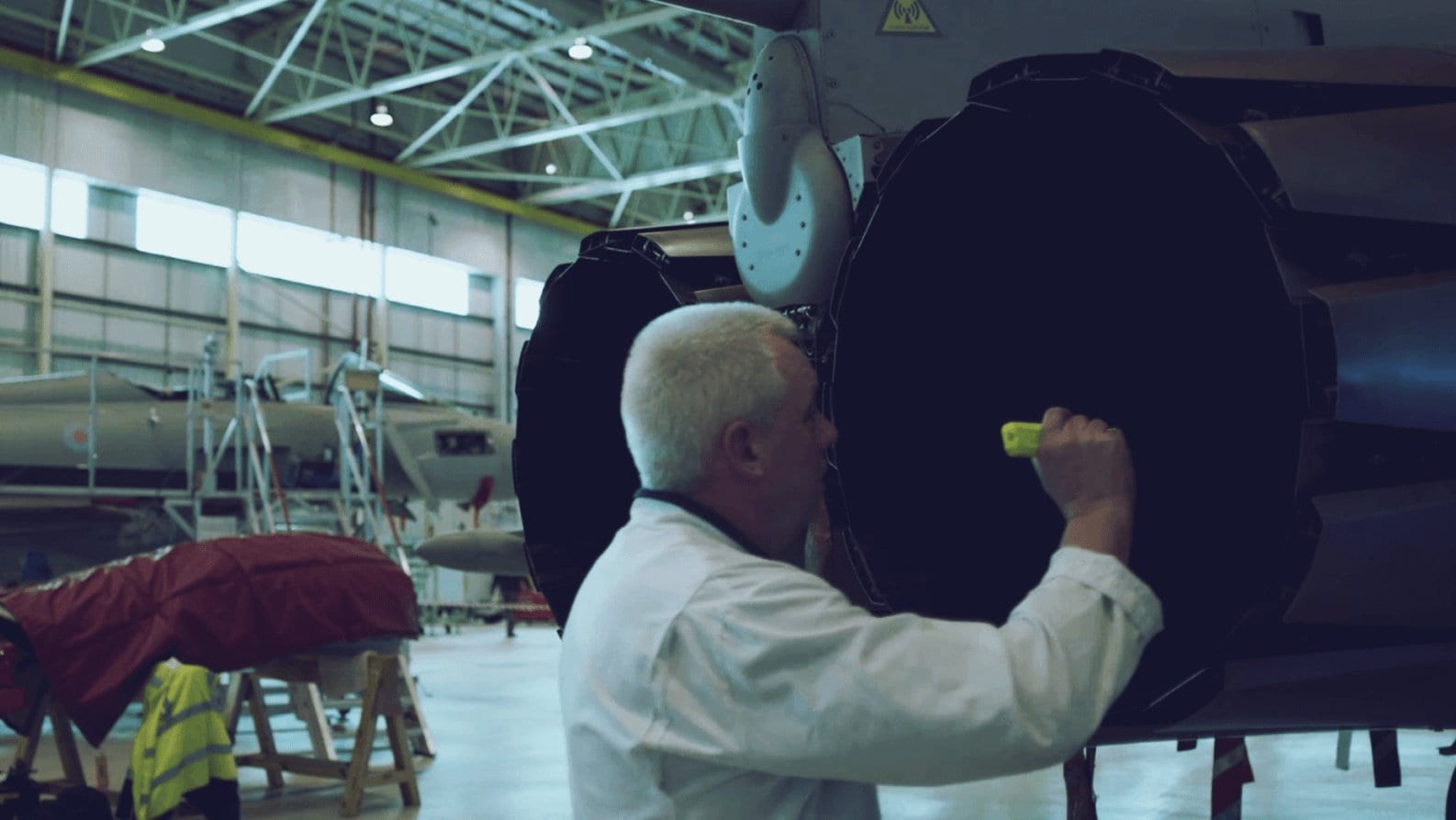
Economic Benefits

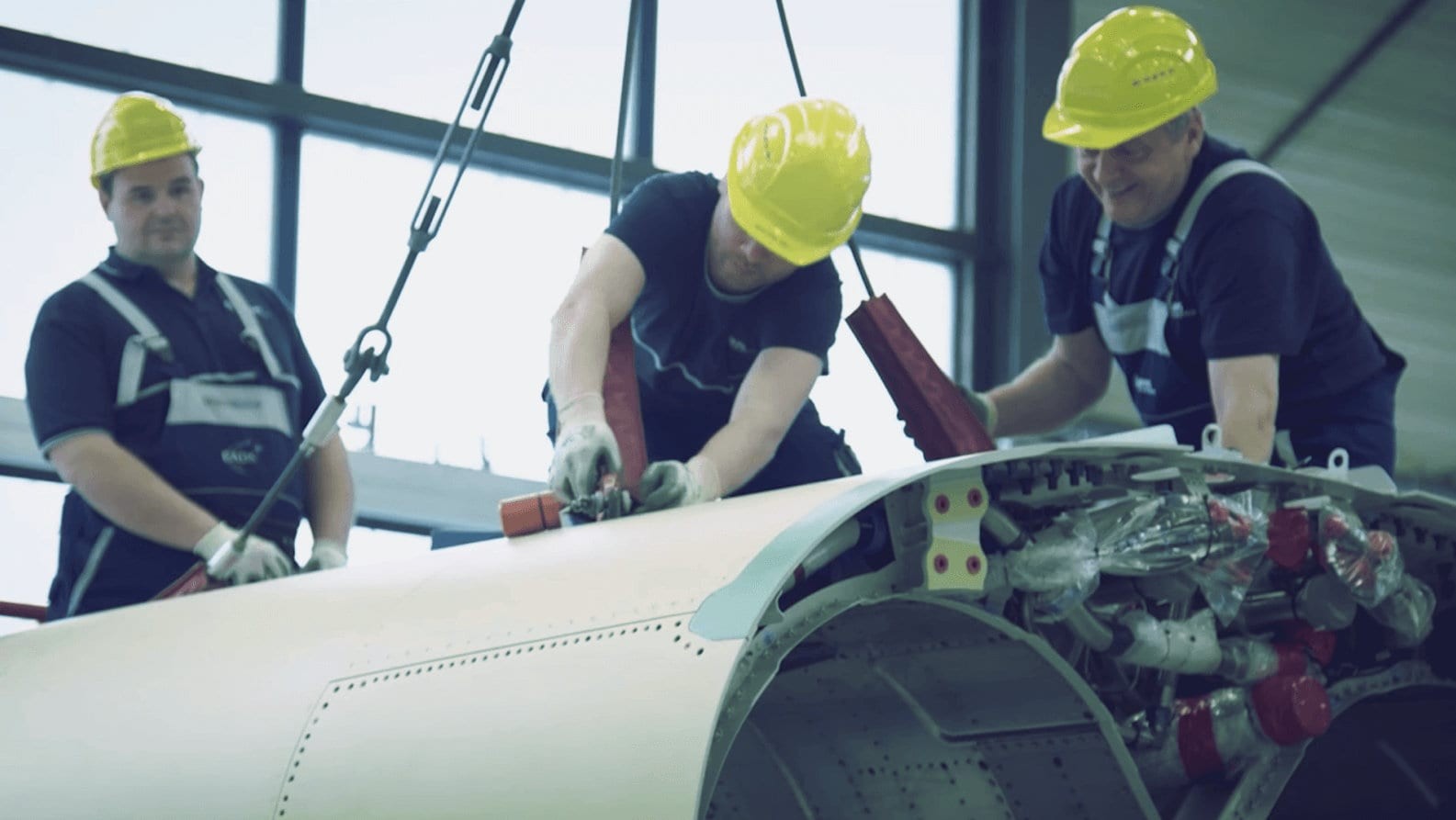
Investing in the Eurofighter programme means investing in Europe's economy, its technological skills-base, its defence industrial leadership and its sovereign security of defence.
Continued commitment will support the future generations of European air combat solutions. Associated socio-economic benefits will be maintained and strengthened.
Customers
Currently, the aircraft is in service with five European Nations and four Nations in the Arabian Gulf. It is fully interoperable with US legacy platforms and provides modern air forces with a compelling strategic advantage in a combining multi-platform fleet.
Following Eurofighter customers long term investment in the programme, they are actively pursuing options for further acquisitions of the aircraft. This includes new builds of Eurofighter in Europe until the year 2035.
680
Aircraft Ordered
Every new customer will join a programme where capability innovation will be driven by the operational experience of these nine Air Forces.
Operating the Eurofighter Typhoon offers its customers access to a world-leading operational and industrial partnership; benefitting from shared experience and knowledge from the Eurofighter programme.
09
Countries with Eurofighter Typhoon in Operation


